CNC Machining Surface Finish Guide: What to Put on a Drawing
A surface finish callout should tell the production team what matters to the part. It is not only an appearance note: finish, cosmetic zones and protected features can affect machining sequence, handling, post-processing and inspection.
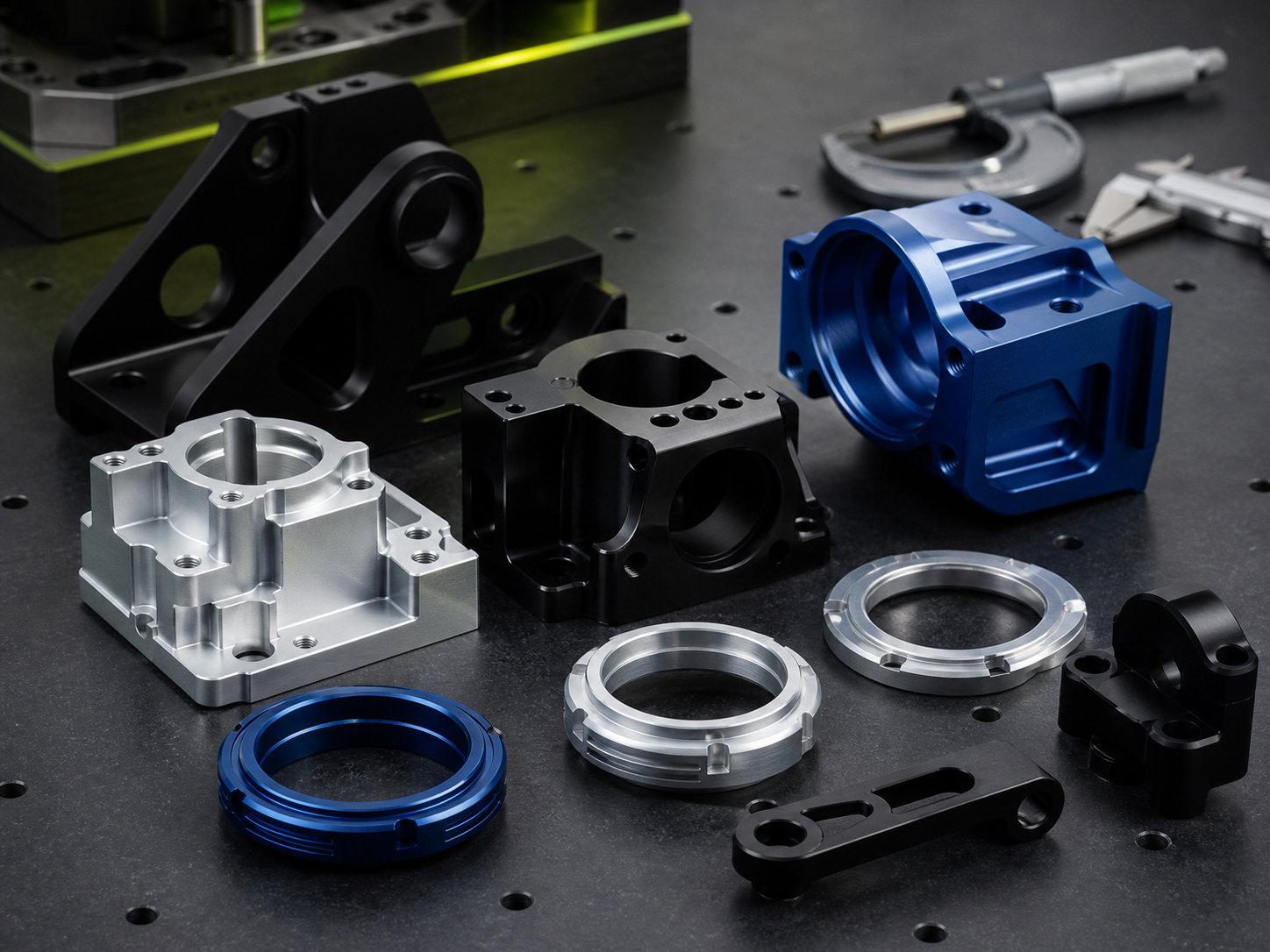
Define the requirement, not just the look
Start by separating functional surfaces from cosmetic surfaces. A sealing face, a bearing interface, a visible enclosure face and an internal mounting surface may each need a different note. Mark the relevant zones on the drawing when a requirement does not apply to the whole part.
Include post-machining processes early
Anodizing, heat treatment and other post-machining requirements should be included in the RFQ rather than added after a quote is compared. The chosen process can affect handling, masking, inspection timing and the order in which features are produced.
Protect critical features
Threads, electrical-contact zones, sealing faces and precision interfaces may require special attention. Identify them on the drawing and state whether masking, protection or final inspection is needed. Clear notes reduce the risk of a cosmetic process interfering with a functional feature.
Use a finish reference when one exists
If a customer standard, approved sample or defined finish reference controls the result, include it with the RFQ. Avoid relying on words such as smooth, premium or matte without a drawing note or reference, because those descriptions can mean different things to different teams.
Link finish requirements to material
Material grade and finish should be reviewed together. For aluminum, our anodizing and heat-treatment guide explains what buyers should specify. For drawing-level planning, see our design for CNC machining guide.
RFQ checklist
- Which surfaces are cosmetic, functional or both?
- Is a finish required before or after final inspection?
- Are masking, color, packaging or reference-sample requirements specified?
- Do any threads, interfaces or contact areas need protection?
- Does the drawing identify the material and quantity?
For general dimensional and surface-texture terminology, engineering teams can consult the ASME standards catalog alongside their project-specific requirements.
Send it with material, quantity and destination requirements for a practical CNC manufacturing review.
Request an RFQ review →