Design for CNC Machining: Drawing Details That Prevent Delays
A good CNC drawing does more than show shape. It tells the manufacturing team which dimensions matter, what material is intended and which surfaces must meet a functional or cosmetic requirement. Clear information reduces clarification cycles before production starts.
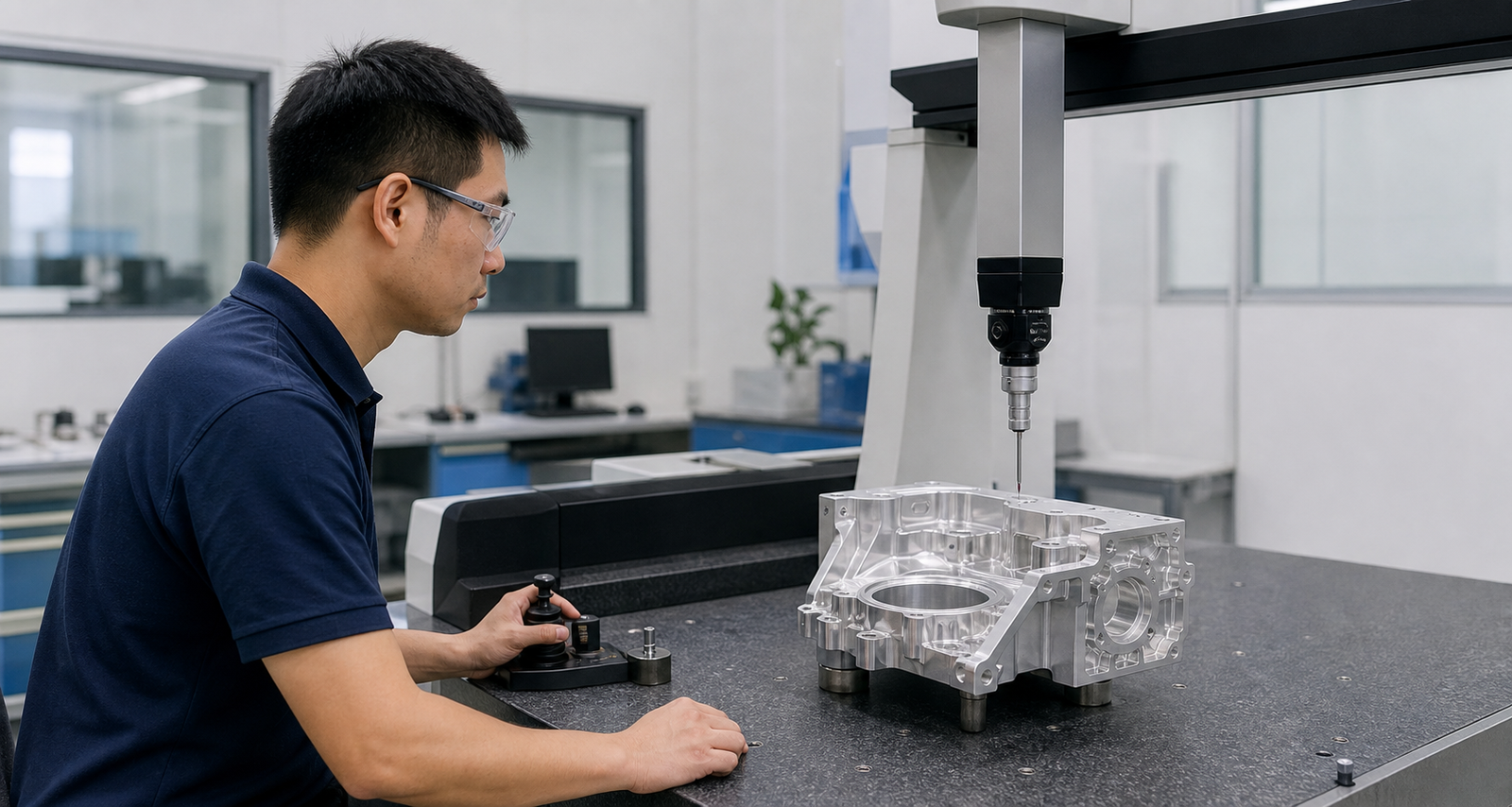
Use the drawing to define function
The 3D model communicates geometry effectively, but the drawing is where many functional requirements are made explicit. Identify the dimensions that interface with another part, establish sensible datums and call out threads, fits and surface requirements where they apply.
Do not leave material open to interpretation
State the material grade and condition when the design requires one. For example, 6061 and 7075 aluminum can be chosen for different reasons, while stainless steel and titanium can change machining and finishing considerations. If there is an approved alternative, document that scope in the RFQ.
Make tolerances purposeful
Use special tolerances on critical features rather than applying an unnecessarily tight rule everywhere. Tolerance choices affect machining strategy and inspection effort. A drawing that distinguishes functional dimensions from general dimensions is easier to review and quote.
Consider tool access and internal corners
Machining tools have physical diameters and lengths. Internal corners, deep narrow cavities and features that require access from multiple directions can affect the process. Where design freedom exists, leave enough corner radius and tool access for a practical machining route.
Define surface and cosmetic zones
Indicate whether anodizing or another finishing requirement is functional, cosmetic or both. Mark sealing faces, electrical-contact areas, threads and mating surfaces if they require protection or special handling. This is particularly helpful when a part includes visible exterior faces and hidden functional areas.
Include the order context
- Required quantity and whether there may be repeat demand.
- Target material, finish and packaging expectations.
- Critical dimensions and inspection records, if needed.
- Destination country or shipping requirements.
- Any approved samples, reference parts or revision controls.
Send your drawing or model with the material, quantity, tolerance and finish requirements. We can review the information needed for a practical CNC quotation.
Discuss your part →