CNC Machining Cost: What Determines the Price of a Custom Part?
A CNC machining quote is not simply a material price plus machine time. The practical cost of a custom part depends on how clearly the design can be made, checked and repeated. Understanding the main inputs helps buyers prepare a faster, more comparable RFQ.
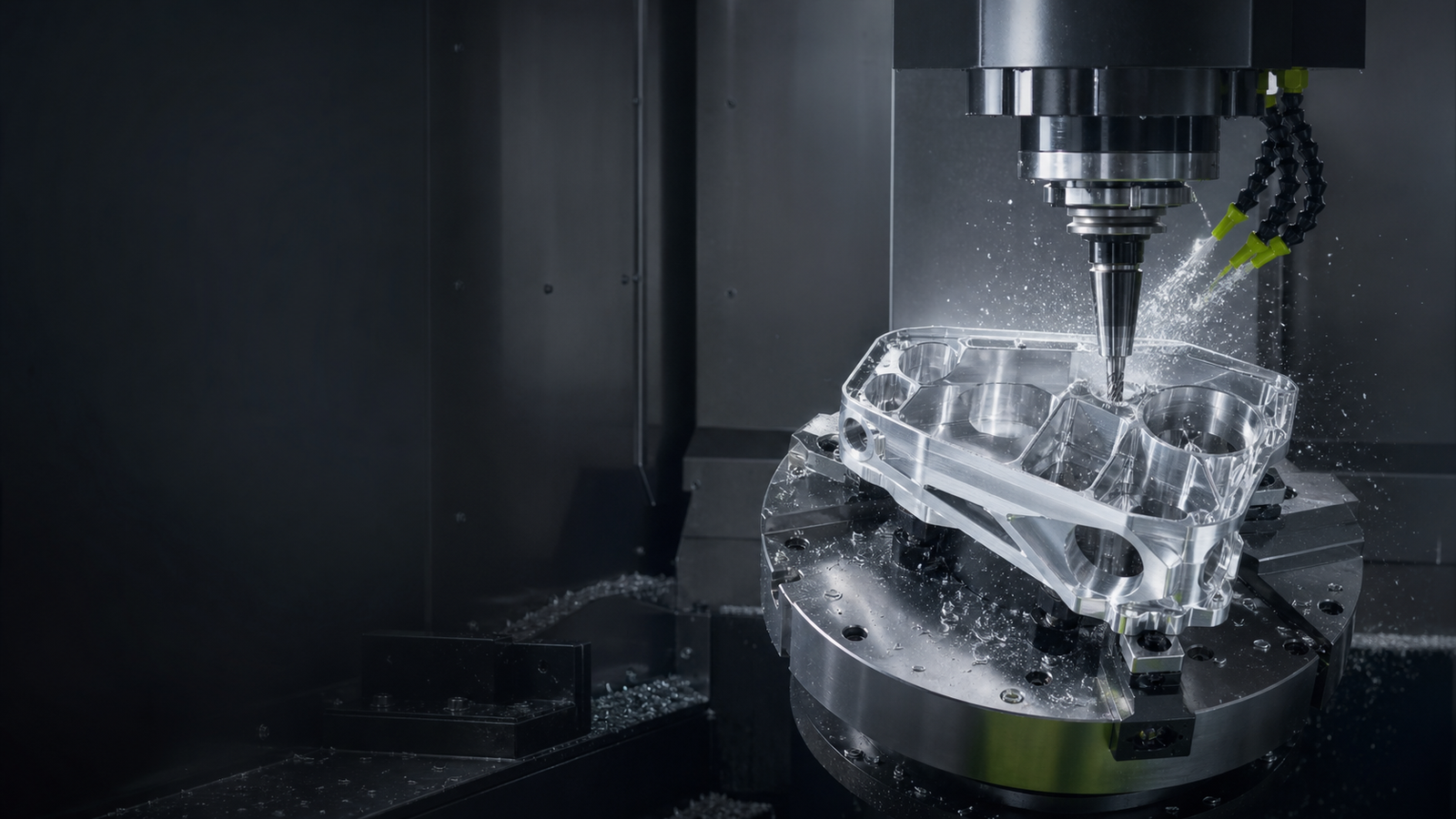
Part geometry and setup
Geometry drives the manufacturing route. Deep pockets, thin walls, small internal features, multiple machined faces and difficult workholding can add setups or require more careful tool access. A clear 3D model helps communicate shape, while a 2D drawing should identify the dimensions and features that control function.
Material selection
Material affects both the supplied stock and the machining approach. Aluminum, stainless steel and titanium have different cutting behavior, availability and finishing options. State the required grade and condition whenever they are defined by the design. If substitution is possible, say so explicitly rather than leaving it open to assumption.
Quantity and repeatability
Prototype and repeat-production pricing often differ because programming, fixturing and inspection planning may be spread across a different number of pieces. Quantity should be stated with any expected follow-on volume, but it is important to quote the actual first requirement accurately.
Tolerance and inspection requirements
Only dimensions that affect function should receive special tolerance or inspection attention. Broadly tightening every dimension can create unnecessary review and measurement work. Identify critical fits, sealing surfaces, datums, threads and any report requirement on the drawing.
Finishing and handling
Anodizing, heat treatment and other post-machining requirements should be included before quote review. Cosmetic zones, masking needs, color references, packaging requirements and destination can influence the route as well as the final logistics plan.
How to get a more useful quote
- Provide a 2D drawing and a 3D model when available.
- State material, quantity, finish and destination.
- Mark critical dimensions and any inspection expectation.
- Explain the application if it affects material or surface decisions.
- List questions or acceptable alternatives before production is released.
Send the drawing or model with material, quantity, tolerance, finish and destination. ExactMach coordinates custom machining around Shenzhen and Dongguan for international orders.
Request an RFQ review →